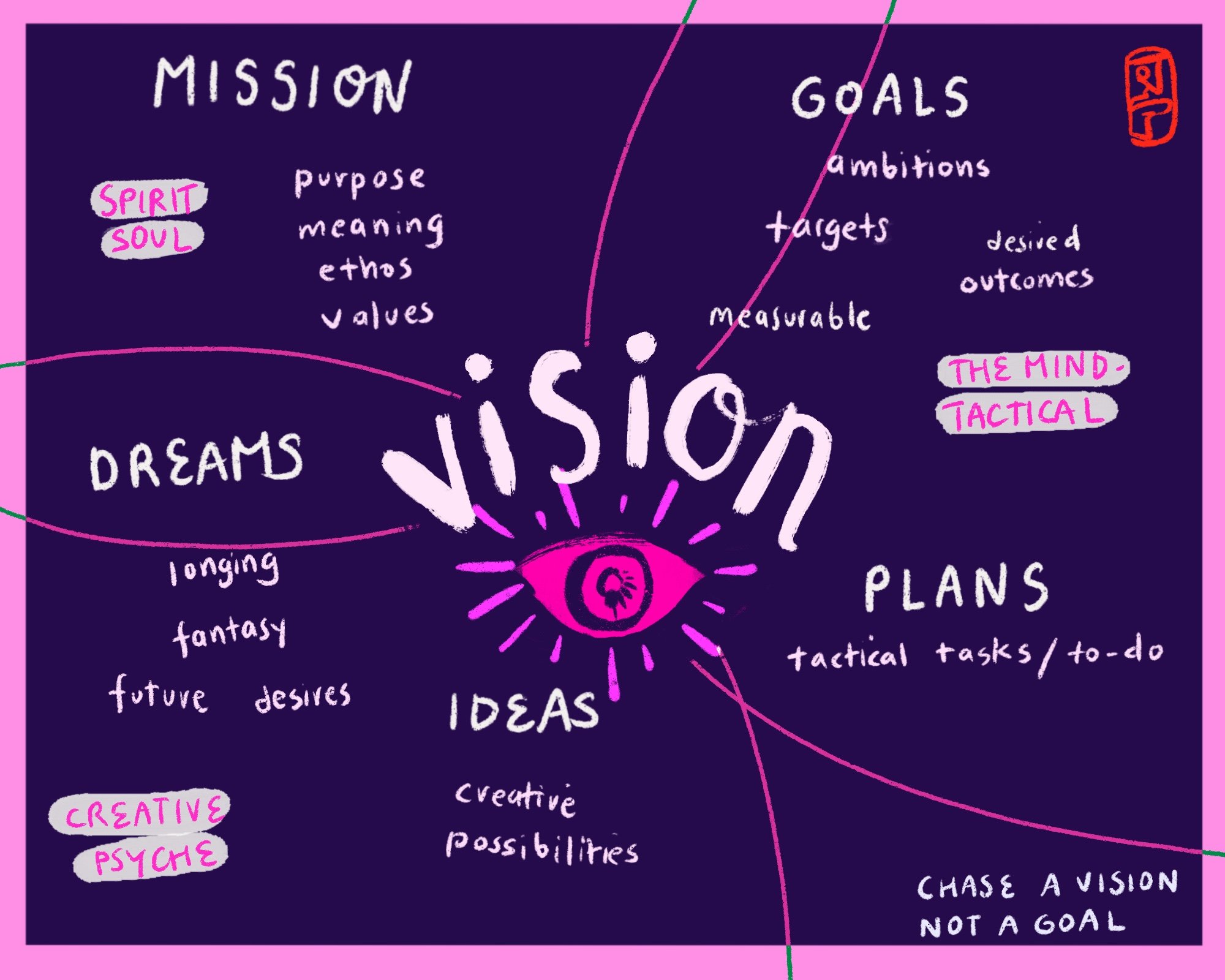
The Science of Vision: How Our Eyes Interpret the World Around Us
The science of vision involves a complex interplay between light, our eyes, and the brain. When light rays enter the eye, they pass through the cornea, lens, and vitreous humor before reaching the retina at the back of the eyeball. Here, specialized cells known as photoreceptors—rods and cones—convert light into electrical signals. These signals are then transmitted through the optic nerve to the brain, where they are processed into the images we perceive. This intricate process allows us to perceive colors, shapes, and depth, enabling us to navigate and interpret our environment.
Moreover, the brain plays a crucial role in interpreting the world around us. It not only receives the raw data from the eyes but also applies previous knowledge and experiences to enhance our visual perception. Factors such as lighting conditions, contrast, and motion significantly affect how we see and understand our surroundings. For instance, in bright daylight, our eyes adjust to reduce glare, while in dim light, they widen to capture more information. Understanding the science behind how our eyes work can improve our appreciation for vision and the marvel of human perception.
Counter-Strike is a highly popular team-based first-person shooter game that has evolved significantly since its inception. Players engage in tactical gameplay, assuming the roles of either terrorists or counter-terrorists. The competitive nature of the game has led to a vibrant esports scene, where top players and teams vie for glory and substantial prizes. For those looking to enhance their gaming experience, check out the Top 10 apple vision pro accessories that can elevate your performance on the battlefield.
Beyond the Surface: The Impact of Visual Perception on Our Realities
The way we perceive visuals directly influences our understanding of the world around us. Visual perception is not merely a passive reception of images; it actively shapes our interpretations and beliefs. For instance, studies have shown that our brains can be easily influenced by context, leading to variations in how we perceive colors, sizes, and even emotions. This phenomenon, known as visual context effects, suggests that our environments play a crucial role in shaping our realities. Consequently, understanding these principles can help individuals and businesses alike craft more engaging and effective visual content that resonates with their audiences.
Moreover, the impact of visual perception goes beyond mere aesthetics; it can significantly affect decision-making processes. When it comes to marketing, for instance, consumers often make choices based on visual cues rather than logical reasoning. In fact, research indicates that approximately 90% of information transmitted to the brain is visual, highlighting the importance of visuals in communication. To illustrate this, consider the use of color in branding: certain colors evoke specific emotions and reactions, influencing consumer behavior. Therefore, incorporating a deep understanding of visual perception into marketing strategies can lead to more effective campaigns and stronger connections with audiences.
How Does Vision Influence Our Emotions and Decision-Making?
Vision plays a pivotal role in shaping our emotions and decision-making processes. Studies have shown that the way we perceive our environment through sight can significantly impact our mood and choices. For instance, bright colors and natural light can elevate our emotional state, making us feel happier and more energized. Conversely, darker or muted colors can evoke feelings of sadness or anxiety. Additionally, visual stimuli can trigger memories or associations that influence our responses and decisions. A well-designed space, filled with uplifting imagery, can enhance creativity and positive thinking, thereby affecting the choices we make throughout the day.
Moreover, research indicates that our visual perceptions can alter our decision-making frameworks. When people are presented with visual cues—such as images or graphs—related to outcomes, they can develop biases in favor of certain alternatives. For example, images depicting success can motivate individuals to pursue specific goals, while negative imagery might lead to avoidance behavior. This relationship highlights the profound impact of vision on our cognitive processes and underscores the importance of being mindful of the visual environment we create around ourselves. By understanding this connection, individuals can harness the power of vision to improve emotional well-being and make more informed decisions.