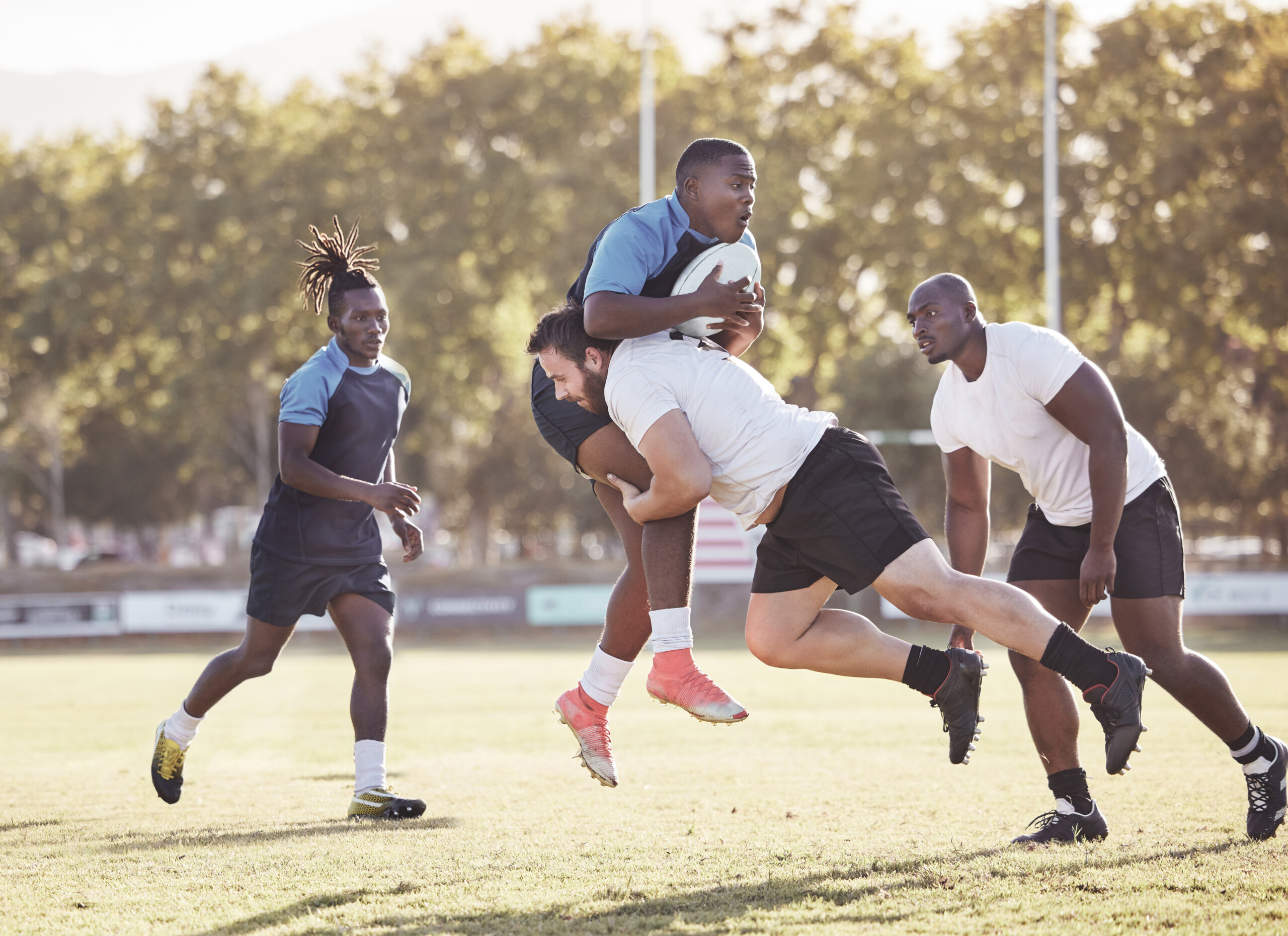
The Impact of Sports on Mental Health: A Game-Changer for Everyday Life
The impact of sports on mental health is profound and far-reaching, serving as a game-changer for individuals navigating daily life challenges. Engaging in regular physical activity can release endorphins, often referred to as 'feel-good' hormones, which help to elevate mood and reduce feelings of anxiety and depression. According to several studies, individuals who partake in team sports often report improvements in self-esteem and social interaction, providing a sense of belonging that can be incredibly beneficial for mental well-being.
Moreover, the structured environment of sports fosters discipline and resilience, traits that can significantly enhance one's ability to cope with stressors. Participating in sports teaches valuable life skills such as teamwork, goal-setting, and perseverance, all of which contribute to better mental health. As a result, many people find that their emotional stability improves, leading to a more balanced and fulfilling life. In essence, incorporating sports into one's routine is not just about physical fitness but also about cultivating a healthy mind.
Counter-Strike is a popular first-person shooter game that pits two teams against each other: the terrorists and the counter-terrorists. Players must work together to complete objectives or eliminate the opposing team to win rounds. For gamers looking for a new accessory, check out the Top 10 Lightweight Apple Watch Bands that combine functionality with style.
How Team Sports Teach Valuable Life Skills Beyond the Field
Participating in team sports offers individuals an unparalleled opportunity to cultivate essential life skills that extend far beyond the confines of the playing field. Through collaboration, athletes learn the importance of effective communication and the art of compromise, which are crucial in any team setting. For instance, when players work together to devise a strategy or tackle challenges during a game, they develop the ability to listen to others, share their viewpoints, and adapt to various situations. This fosters a strong sense of camaraderie, instilling in them a valuable lesson about teamwork that can be applied in both personal and professional contexts.
Additionally, team sports teach resilience and the importance of perseverance. Each match presents its unique challenges, whether it's dealing with defeat or pushing through physical limitations. Athletes are often faced with situations where they must regroup, learn from their mistakes, and come back stronger. This cycle of challenge and recovery builds mental toughness and promotes a growth mindset, allowing individuals to approach obstacles in life with confidence and determination. Ultimately, the skills gained from team sports—such as leadership, empathy, and the ability to navigate complex social dynamics—equip players with tools that serve them well beyond athletic endeavors.
What Role Do Sports Play in Building Community and Social Connections?
Sports play a pivotal role in fostering community and social connections by bringing people together around a shared interest. They provide a platform for individuals from diverse backgrounds to unite, whether as players, fans, or volunteers. Local sports teams often serve as a beacon of pride, pushing community members to rally behind a common goal. This sense of belonging creates social bonds that extend beyond the playing field, encouraging interactions and friendships that can last a lifetime.
Moreover, participating in sports encourages physical activity and well-being, contributing to the overall health of a community. Events such as neighborhood tournaments, charity matches, and local leagues not only strengthen community ties but also provide opportunities for social engagement. When individuals come together for a shared cause, be it competition or camaraderie, they forge connections that transcend mere acquaintance, ultimately building a more cohesive and resilient community.