10 Innovative Gadgets to Simplify Your Life
In today's fast-paced world, technology continues to evolve, bringing us innovative gadgets designed to simplify our lives. From smart home devices to personal assistants, these tools can enhance efficiency and make everyday tasks more manageable. Here are ten standout gadgets that are making waves in the industry:
- Smart Plugs: Control your devices remotely with your smartphone or voice command.
- Robot Vacuum Cleaners: Keep your floors clean effortlessly with automated cleaning.
- Wearable Fitness Trackers: Monitor your health and fitness levels in real-time.
- Bluetooth Finders: Never lose your belongings again with these small trackers.
- Instant Pot: Cook meals quickly while saving time and energy.
- Smart Thermostats: Optimize your home’s energy usage easily.
- Portable Chargers: Stay powered up on the go.
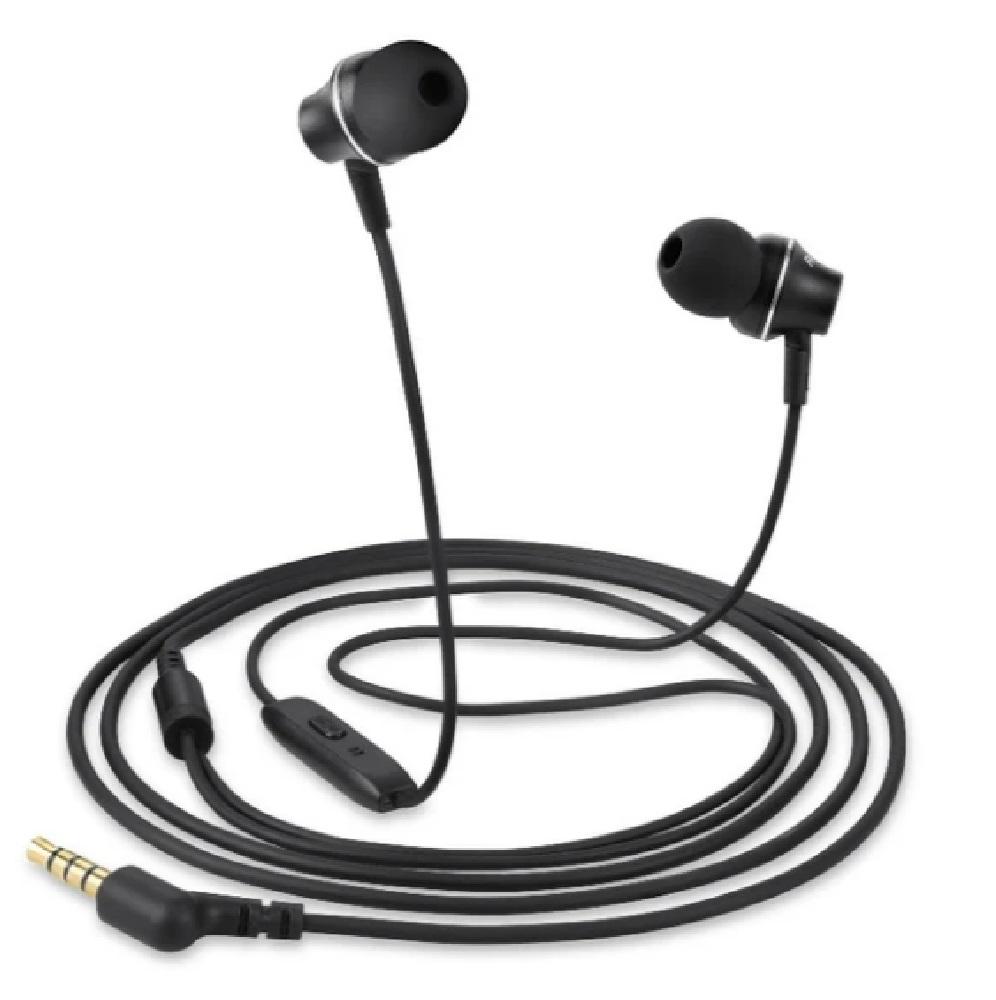
- Wireless Earbuds: Enjoy music and calls without tangled wires.
- Smart Light Bulbs: Control your home lighting from anywhere.
- Digital Assistance Devices: Get answers and perform tasks faster than ever.
Each of these innovative gadgets not only showcases cutting-edge technology but also offers practical solutions, making your daily routine smoother and more efficient. Embrace the future and consider incorporating some of these devices into your lifestyle.
Counter-Strike is a popular first-person shooter game that pits teams of terrorists against counter-terrorists in various game modes. Players engage in intense strategic gameplay, requiring teamwork and quick reflexes to secure victory. For those looking to enhance their gaming experience, consider checking out the Top 10 iPad Stands for Bed to make your gaming sessions more comfortable.
How Hands-Free Technology Can Boost Your Productivity
In today's fast-paced world, hands-free technology is transforming the way we approach our daily tasks, significantly enhancing our productivity. By allowing users to perform various functions without the need for physical interaction, this technology minimizes distractions and streamlines workflows. For instance, voice-activated assistants like Amazon Alexa or Google Assistant can manage your schedule, set reminders, or provide information on demand, freeing up your hands and mental space to focus on what truly matters.
Moreover, the integration of hands-free devices in professional environments promotes multitasking and efficiency. With the ability to communicate via smart earbuds or voice-to-text applications, employees can stay connected and productive while on the move. To further illustrate this, here are some specific benefits of adopting hands-free technology:
- Improved focus on core tasks
- Reduced physical strain and discomfort
- Enhanced accessibility for individuals with disabilities
- Increased efficiency in remote work scenarios
Is a Hands-Free Lifestyle Right for You? Explore the Benefits and Drawbacks
In today's fast-paced world, many individuals are considering a hands-free lifestyle to streamline their daily tasks and enhance productivity. This approach often involves using technology to minimize manual labor, such as voice-activated devices, smart home systems, and automated applications. The benefits of adopting a hands-free lifestyle include increased efficiency, the ability to multitask more effectively, and greater accessibility for individuals with physical limitations. For instance, hands-free devices can help users manage their schedules, control home environments, and even shop online without having to physically engage with devices.
However, transitioning to a hands-free lifestyle is not without its drawbacks. One potential downside is the substantial reliance on technology, which can lead to issues such as data privacy concerns and diminished face-to-face interaction. Additionally, the learning curve associated with new devices and apps may create initial frustrations. Before deciding if this lifestyle is right for you, consider factors such as your daily routine, comfort with technology, and personal preferences. To help with your decision, weigh the pros and cons in a structured format like this:
- Pros: Increased efficiency, multitasking capabilities, accessibility.
- Cons: Technology dependence, privacy concerns, learning curve.