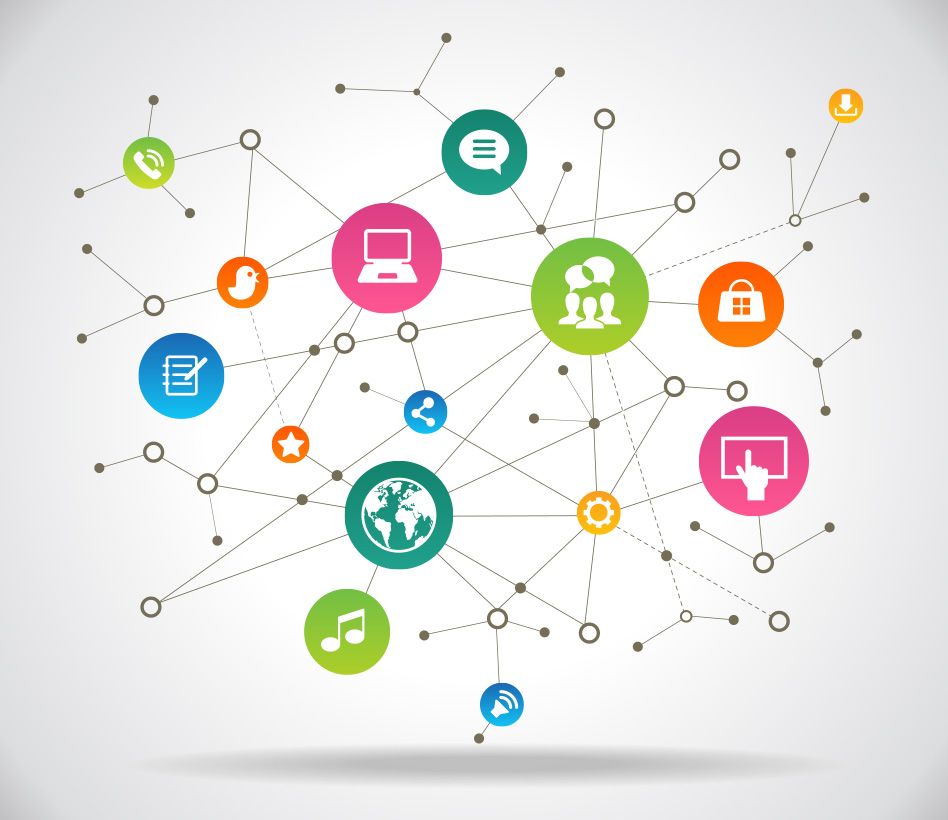
The Science of Connectivity: How Relationships Shape Our Lives
In today's fast-paced world, the science of connectivity reveals that our relationships profoundly influence our mental and physical health. Numerous studies indicate that individuals with strong social ties experience lower levels of stress, improved immune function, and even increased longevity. For instance, a landmark study published in the journal Psychological Science demonstrated that those who maintain healthy relationships are significantly happier and more resilient in the face of adversity. As we explore the intricate web of our social connections, it becomes evident that relationships shape our lives in various ways, offering support, love, and a sense of belonging.
Furthermore, the psychology behind human interactions sheds light on our innate need for connection. According to researchers, the brain releases oxytocin, often referred to as the 'love hormone', during positive social interactions, fostering trust and emotional bonds. This biochemical response suggests that relationships are not merely a social construct but a fundamental aspect of our biology. As we nurture our connections, we enhance our emotional well-being and resilience. In essence, the science of connectivity illustrates that by investing in our relationships, we are investing in our health, happiness, and overall quality of life.
Counter-Strike is a popular tactical first-person shooter game that pits teams of terrorists against counter-terrorists in various game modes. Players can purchase weapons and gear using in-game currency earned from completing objectives and eliminating opponents. In addition to gameplay strategy, optimizing your gaming setup is essential for performance; consider checking out the Top 10 mac accessories for productivity to enhance your gaming experience.
Exploring Emotional Connectivity: The Unseen Forces that Connect Us
In our increasingly interconnected world, the concept of emotional connectivity has emerged as a pivotal factor in human relationships. It goes beyond superficial encounters, delving into the unseen forces that bind us together. Factors such as shared experiences, empathy, and emotional intelligence play crucial roles in fostering these connections. When we actively engage in listening and understanding others, we lay the groundwork for deeper connections that can enhance both personal and professional relationships. Exploring emotional connectivity not only helps us comprehend ourselves but also enables us to navigate the complexities of our interactions with others, ultimately leading to healthier and more fulfilling relationships.
However, the importance of emotional connectivity extends beyond mere interpersonal connections; it also influences our overall well-being. When individuals feel emotionally connected to others, they are more likely to experience reduced stress levels, greater happiness, and a sense of belonging. This phenomenon can be seen in various settings, from family dynamics to workplace environments. Exploring emotional connectivity allows us to uncover the impactful ways in which these connections enhance our lives. By fostering a culture of empathy and understanding, we can tap into the unseen forces that connect us, ultimately creating a more compassionate and cohesive society.
What Are the Hidden Links? Unveiling the Social Fabric of Connectivity
The concept of hidden links refers to the seemingly invisible threads that connect individuals, communities, and organizations within the broader tapestry of society. These connections often go unnoticed, yet they play a critical role in shaping social dynamics and facilitating interactions. By understanding these hidden links, we can uncover how relationships are formed and maintained, and appreciate the intricate web of connectivity that underpins social engagement. For instance, these links can manifest through shared interests, common goals, or even mutual support networks, illustrating that we are all part of a larger whole.
Moreover, exploring the hidden links can reveal the social fabric of connectivity that exists beneath the surface. This fabric is woven together by various elements, such as social media interactions, professional networks, and community involvement. As more people engage online, the importance of recognizing these connections becomes paramount. For instance, studies have shown that individuals within a network are more likely to share resources and information, fostering a sense of community. Thus, uncovering these hidden links not only enriches our understanding of social interaction but also highlights the collaborative nature of human relationships.