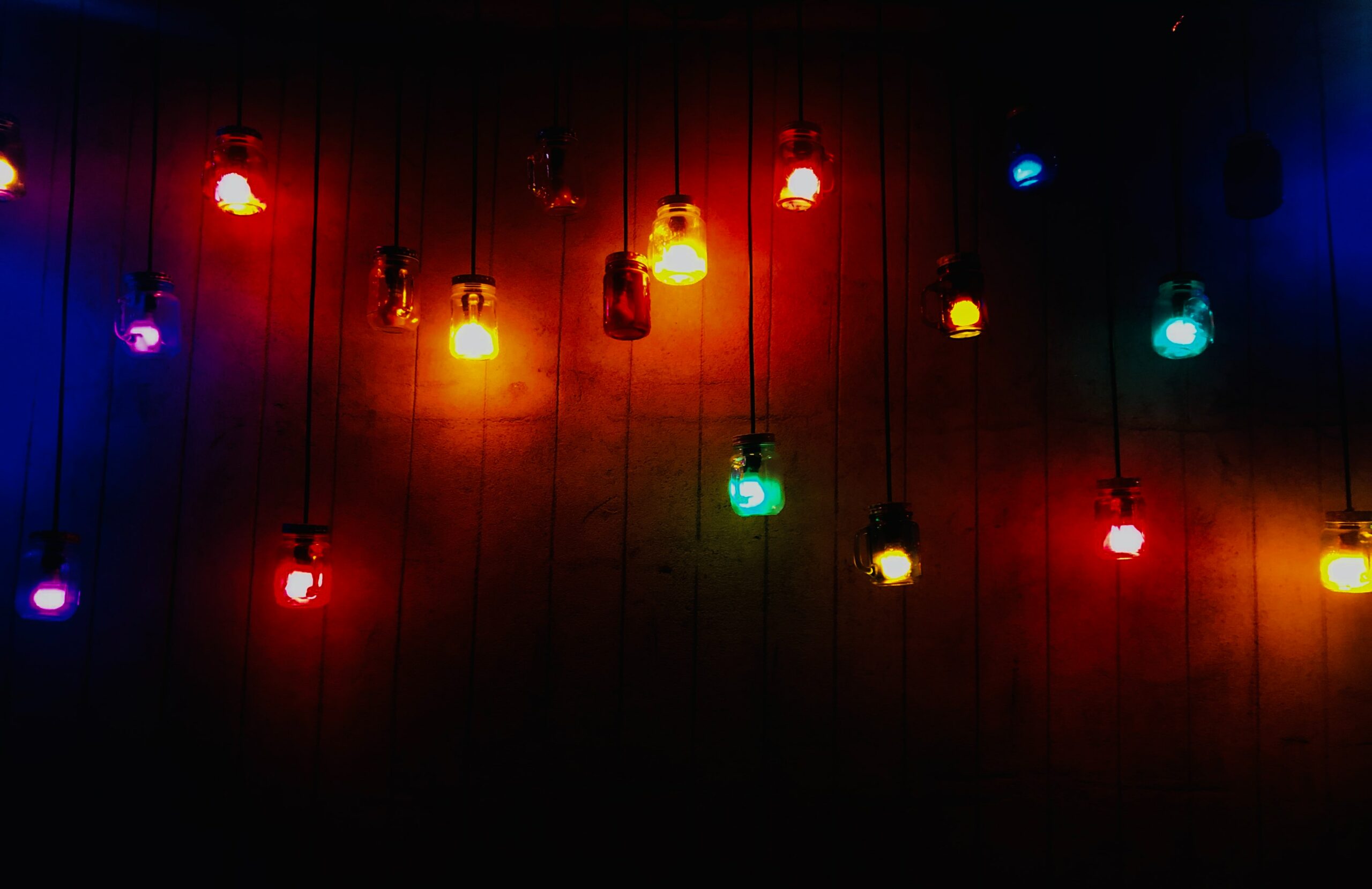
10 Ways to Transform Your Space with Innovative Lighting Solutions
Innovative lighting solutions can completely transform your space, enhancing both its aesthetic appeal and functionality. If you're looking to make a significant impact with your interior decor, consider these top 10 ways to incorporate lighting creatively:
- Layer Your Lighting: Combine ambient, task, and accent lighting to create depth.
- Install Dimmers: Adjust the mood of your room with dimmable switches.
- Use LED Strip Lights: Highlight architectural features or add under-cabinet lighting.
- Choose Unique Fixtures: Opt for statement chandeliers or artistic lamps.
- Incorporate Smart Lighting: Use smart bulbs that can change colors and are controllable via apps.
Lighting not only serves practical purposes but also enhances the emotional aspects of a room. Here are additional innovative ideas to consider:
- Utilize Mirrors: Position mirrors to reflect light and create the illusion of a more spacious area.
- Layer Different Light Sources: Mix table lamps, floor lamps, and sconces to achieve a cozy atmosphere.
- Add Color with Light: Use colored bulbs or filters to establish a particular vibe.
- Focus on Outdoor Spaces: Enhance patios and gardens with outdoor lighting fixtures.
- Experiment with Patterns: Use light projectors to cast interesting patterns on walls and ceilings.
Counter-Strike is a popular first-person shooter game that has been a staple in the gaming community since its release in 1999. Players can engage in intense team-based battles, where they must strategize and work together to complete objectives. One aspect that many gamers appreciate is capturing their gameplay moments, for which they often seek the Top 10 iphone photography accessories to enhance their recording experience.
How to Choose the Perfect Lighting for Every Room: A Comprehensive Guide
Choosing the perfect lighting for every room can significantly enhance the atmosphere and functionality of your space. When considering lighting, it's essential to evaluate the purpose of each room and how lighting can complement its use. For instance, in a home office, you might prioritize bright, focused light to improve concentration, while in a living room, softer ambient lighting can create a cozy ambiance for relaxation. Natural light availability is also a crucial factor; consider incorporating window treatments that allow you to control the amount of daylight entering the room.
Once you determine the purpose of each space, it's beneficial to explore the different types of lighting available. The three main types are ambient, task, and accent lighting.
- Ambient lighting provides overall illumination, usually through ceiling-mounted fixtures or natural light sources.
- Task lighting focuses on specific areas, ideal for reading nooks or kitchen countertops.
- Accent lighting highlights particular features, such as artwork or architectural elements.
What Are the Latest Trends in Creative Lighting Design?
In recent years, creative lighting design has evolved dramatically, embracing innovations that transform spaces both functionally and aesthetically. One of the latest trends is the use of smart lighting systems, which allow users to control lighting through smartphones or voice commands. This technology not only enhances convenience but also promotes energy efficiency, as users can easily adjust the intensity and color of light according to their needs. Moreover, LED technology continues to dominate, offering versatile design options and longer lifespans, making them a top choice for modern interiors.
Another significant trend in creative lighting design is the incorporation of biophilic elements. Designers are now focusing on creating lighting solutions that mimic natural light patterns, thereby improving mood and productivity in both residential and commercial spaces. Additionally, the use of layered lighting techniques is gaining traction, allowing for a combination of ambient, task, and accent lighting to create depth and character in a room. As we move forward, it's clear that the integration of technology and nature will play a pivotal role in shaping the future of lighting design.