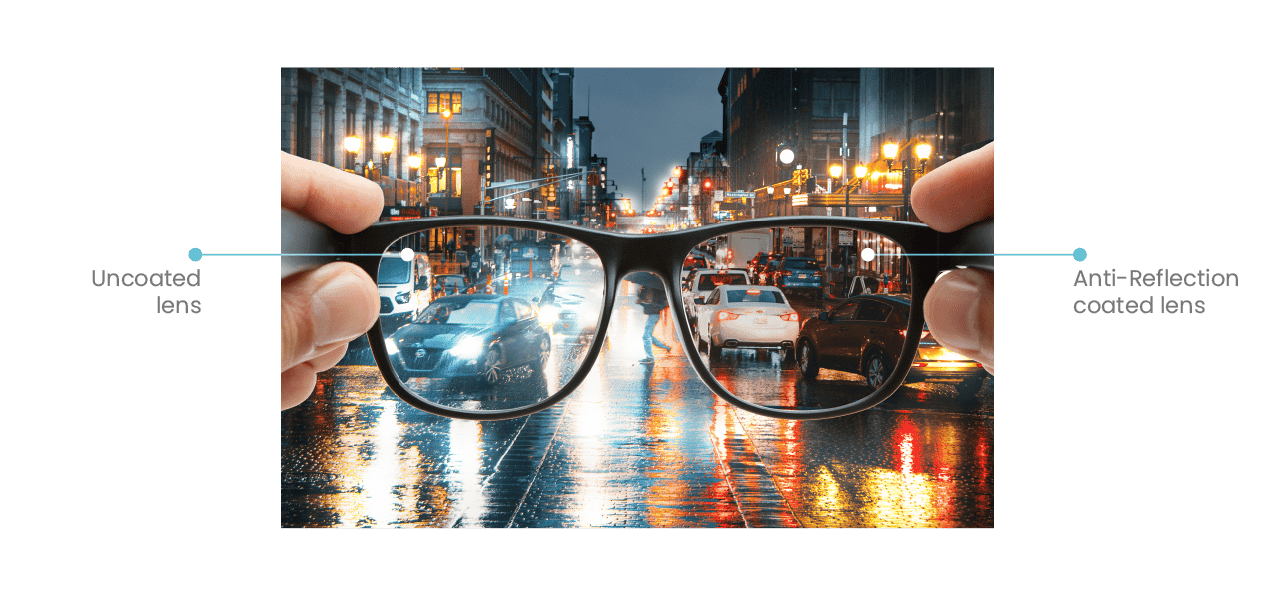
How Anti-Glare Technology Enhances Your Visual Experience
Anti-glare technology plays a crucial role in enhancing your visual experience, especially when using screens for prolonged periods. Traditional glossy screens can reflect unwanted light, causing distractions and eye strain. By utilizing advanced coatings and treatments, anti-glare technology minimizes these reflections, allowing for clearer and sharper visuals. This is particularly beneficial in environments with bright lighting, such as offices or outdoors, where glare can significantly hinder your ability to enjoy high-quality images and videos.
Moreover, screens equipped with anti-glare technology often improve color accuracy and contrast, making your viewing experience more enjoyable and immersive. Unlike standard displays, which may wash out colors under bright conditions, anti-glare screens maintain vibrant hues and details, lending themselves well to activities such as gaming, graphic design, and movie watching. In summary, by investing in devices with anti-glare features, you not only protect your eyes but also elevate your overall viewing experience.
Counter-Strike is a highly popular tactical first-person shooter (FPS) game that emphasizes teamwork and strategy. Players can choose to play as terrorists or counter-terrorists in various game modes. For those who frequently game on their phones, it's important to consider the Top 10 Phone Accessories for Eye Strain to ensure a comfortable experience.
The Science Behind Anti-Glare Coatings: What You Need to Know
Anti-glare coatings are essential in enhancing visual comfort, particularly for individuals who spend prolonged hours in front of screens or under bright lighting conditions. These coatings significantly reduce the amount of reflected light and glare from various surfaces, thereby improving visibility and minimizing eye strain. The science behind these coatings lies in their composition; they typically consist of multiple layers of specialized materials designed to absorb or refract light. By applying these coatings to glasses, monitors, and other optical devices, users can experience clearer vision and reduced glare, ultimately leading to a more enjoyable viewing experience.
There are two primary types of anti-glare coatings: matte and glossy. Matte coatings diffuse light, thereby softening reflections and enhancing contrast, while glossy coatings are designed to enhance clarity and vibrancy of colors. When choosing the right coating for your needs, it is essential to consider your environment and the specific activities you'll be using the glasses or screens for. For instance, those working in well-lit office settings may benefit significantly from matte finishes that combat harsh fluorescent lights, while gamers and designers may prefer glossy options that amplify color accuracy for intricate projects. Understanding these differences can help optimize your visual experience.
Top 5 Benefits of Using Anti-Glare Products for Everyday Life
In today's digital age, we spend a significant amount of time in front of screens, be it computers, tablets, or smartphones. One of the main issues that arises from prolonged screen exposure is glare, which can lead to eye strain and discomfort. Anti-glare products offer a simple yet effective solution to this common problem. Here are the top 5 benefits of incorporating anti-glare products into your everyday life:
- Reduced Eye Strain: By minimizing reflections and enhancing screen visibility, anti-glare products can significantly reduce fatigue on your eyes.
- Improved Comfort: Anti-glare surfaces provide a smoother viewing experience, making it easier to focus for longer periods.
- Enhanced Productivity: With less distraction from glare, you can maintain better concentration, leading to higher efficiency in your daily tasks.
- Better Screen Visibility: Whether indoors or outdoors, anti-glare products ensure that you can see your screens clearly, regardless of lighting conditions.
- Long-Term Eye Health: Using anti-glare products can help protect your vision by reducing the risks associated with prolonged exposure to bright screens.